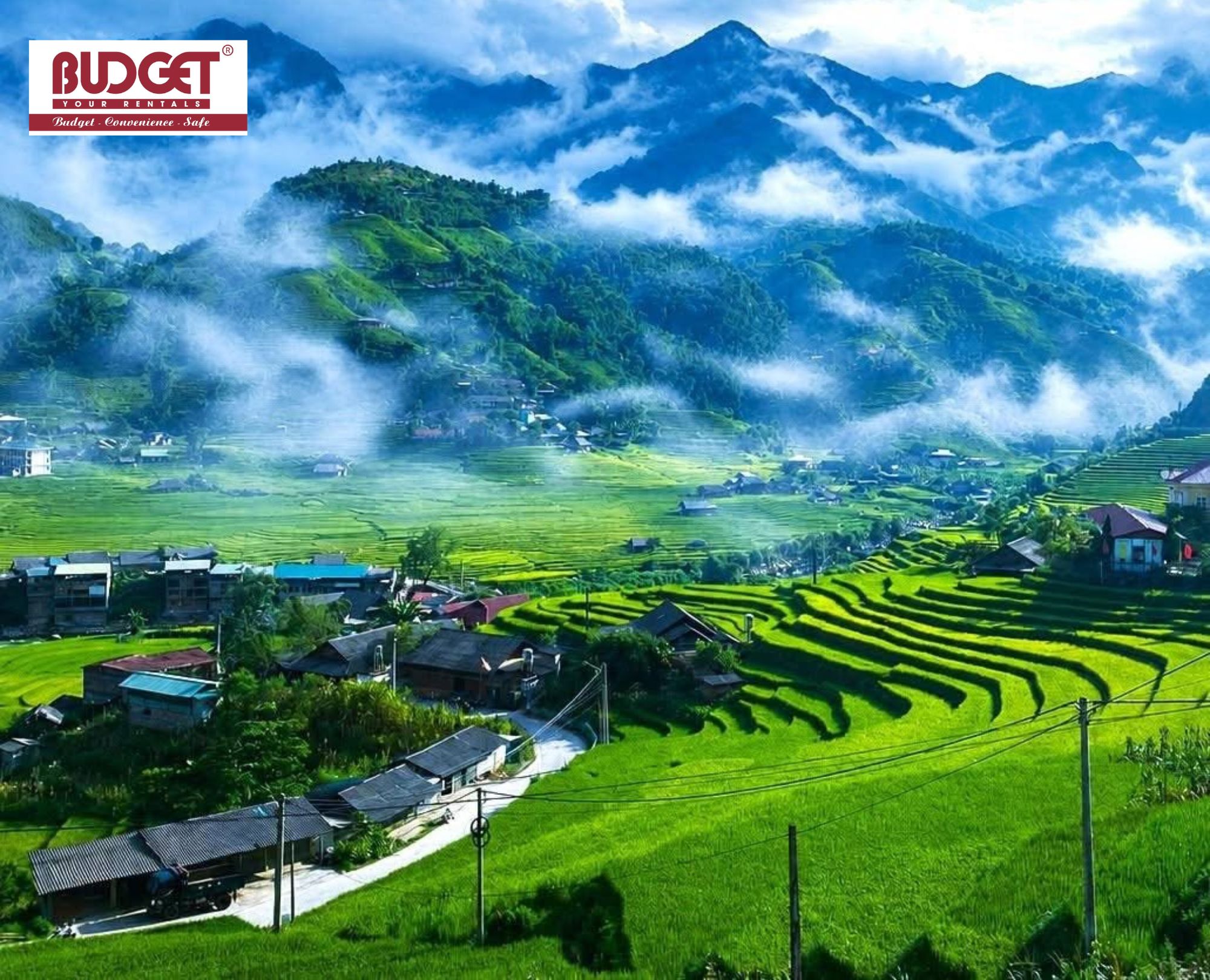
Sapa Vietnam Travel Guide
Skip the tourist traps! This practical Sapa Vietnam travel guide shows you how to plan 2-day hikes, find authentic homestays, and get from Hanoi smoothly.
Sapa is a mountain town in northern Vietnam, around 320 kilometers from Hanoi and roughly 1,600 meters above sea level.
Most travelers reach it by night train or limousine van in 6 to 8 hours, stay two or three nights, and spend their days walking through ethnic minority villages in Muong Hoa Valley, riding the Fansipan cable car and eating at the town market.
This Sapa Vietnam travel guide covers transport options, where to stay, what to do, a two-day plan and the best months to go, with prices checked for 2026.
1. Sapa Vietnam travel guide
Sapa is one of the oldest hill stations in the country. The French built it as a summer retreat in the early 20th century and today it serves as the base for trekking, village visits and the trip up Fansipan, the highest peak in Indochina at 3,143 meters.
Since mid-2025, the town has officially been called Sa Pa ward, after a provincial merger in the north.
Booking sites, bus tickets and road signs use both "Sapa" and "Sa Pa", and they refer to the same place.
Five main ethnic groups live in the valleys around Sapa: Hmong, Red Dao, Tay, Giay and Xa Pho.
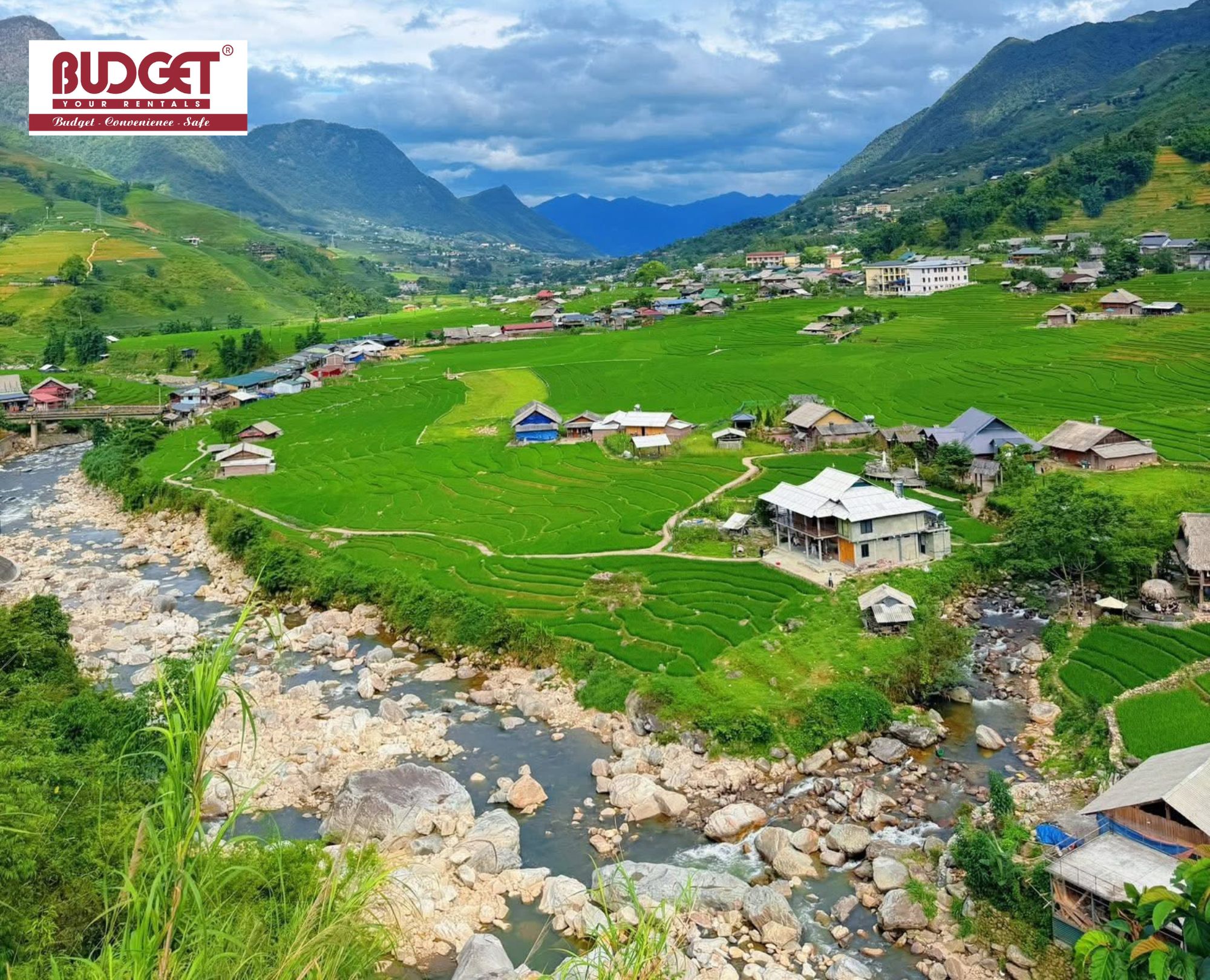
Lush green rice terraces in Muong Hoa valley for Sapa Vietnam travel guide
Each has its own language, traditional clothing and farming customs and most of the small villages you walk through belong to one group.
Black Hmong women selling handicrafts in the town square are often from Lao Chai or Sin Chai, a short drive away.
At this altitude, the air feels cooler than in other parts of Vietnam all year, and the weather changes quickly. A sunny morning can turn to thick fog by lunch, so a light jacket is worth carrying even in July.
What visitors like about Sapa is the mix of easy access and real countryside. Twenty minutes from the town square, you can be on a dirt path between terraced fields and the same evening you can eat hotpot in town and sleep in a heated room.
Sapa won't top every list of the world's best places to relax, since the center is busy and new hotels keep going up.
The countryside around it is still the reason people come, and that contrast is what makes Sapa special for most first-time visitors.
2. Three ways to plan a trip to Sapa
Most trips fall into one of three styles. Once you know which one suits you, choosing a hotel and an itinerary gets much easier.
The first is a relaxed trip. You stay in a hotel in the town center, ride the cable car, walk around the lake, visit cafes on the edge of the valley and book a short village walk with a guide.
This style works well for families, older travelers and anyone on a long weekend away from the city.
The second is an active trip built around trekking. Sapa is ideal for trekking from September to November and again in spring, with routes from 5 to 25 kilometers a day and nights in village homestays.
Good shoes and a reasonable level of fitness matter here, because most trails climb and drop along steep hillsides.
The third sits between the two. It covers cultural activities that are not physically hard, such as a batik class, a herbal bath with a Red Dao family, a cooking lesson or a morning at a local market.
These suit travelers who want an authentic local experience without long hikes.
Plenty of people mix all three styles over two or three days in Sapa, which is the length we suggest for a first visit.
3. Where to stay in Sapa
Hotels in Sapa fall into three areas: the town center, the villages in the valley and the hillside lodges in between.
Your choice affects how much walking you do, how quiet your nights are and how easily you can find food.
3.1 Sapa town
The town center is the most practical base for a first visit. It has the widest choice of rooms, ATMs, pharmacies, a tourist information office and dozens of places to eat.
The main streets around the lake, the stone church and the market are steep but short, so most things sit within a 15-minute walk.
A room in the heart of Sapa also makes evenings easier, because the night market and restaurants are a few minutes away on foot.
The downside is traffic and noise, especially on Friday and Saturday nights when domestic visitors drive up for the weekend.
Hotels on the smaller lanes east of the lake or on the road toward Ham Rong mountain are noticeably quieter.
Mid-range rooms in town usually cost 700,000 to 1,500,000 VND (roughly 28 to 60 USD) a night outside public holidays, while Hotel de la Coupole MGallery near Sun Plaza sits at the top of the market.
For a comfortable stay between December and February, it pays to confirm that your room has a heater or an electric blanket. Many budget guesthouses still don't.
3.2 Villages in Muong Hoa Valley
Muong Hoa valley starts a few kilometers south of town and runs for around 15 kilometers along the Muong Hoa river.
A night here feels very different from the town: wooden houses, rice paddies right outside the window and almost no traffic after dark.
Lao Chai is a Black Hmong village about 8 kilometers from the center and the first stop on most valley treks. Ta Van, a Giay village just beyond it, is more developed, with paved lanes, small guesthouses and a couple of bars.
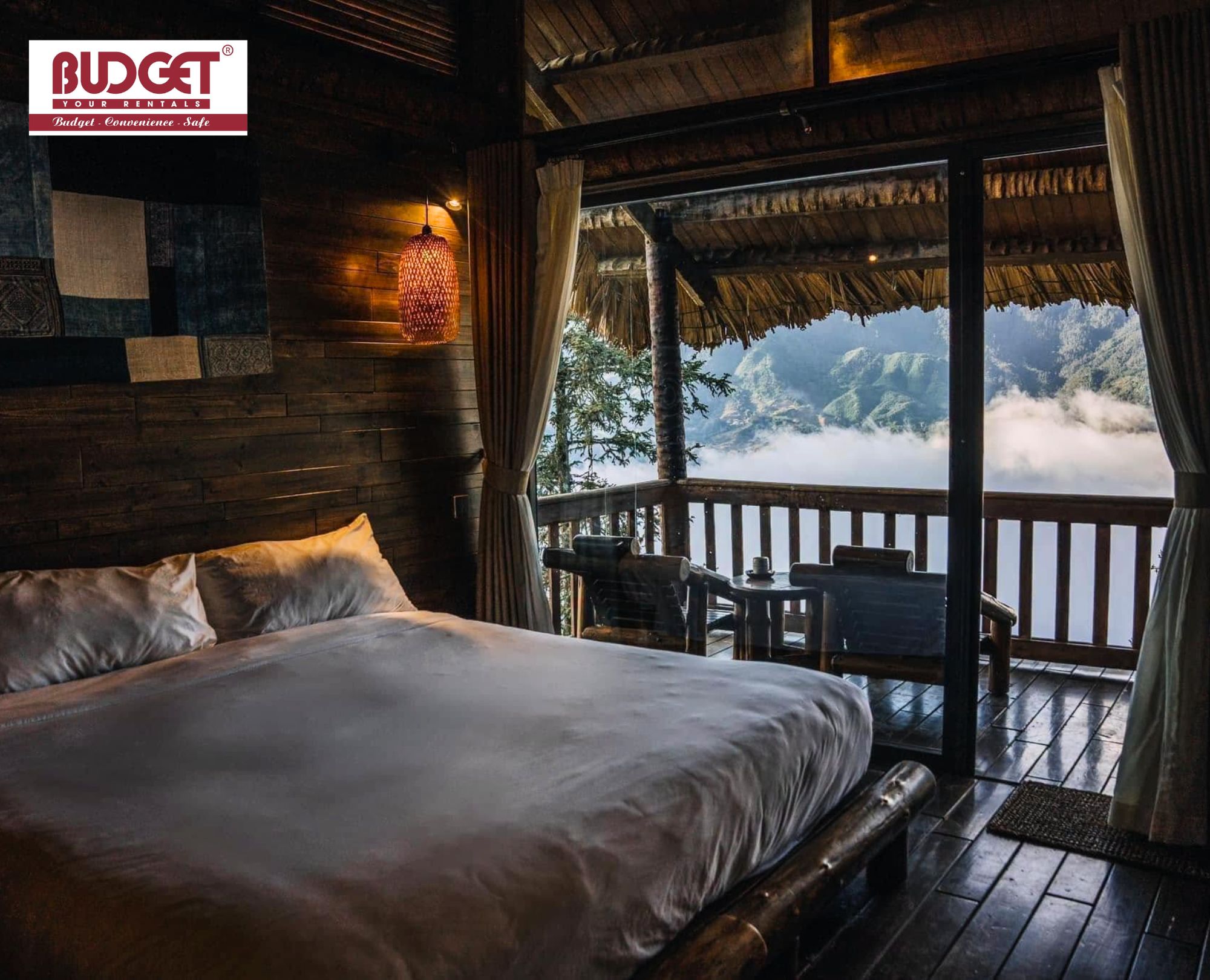
Scenic homestay room overlooking cloudy mountains when deciding where to stay in Sapa
Hau Thao sits higher on the opposite slope and has rougher tracks and fewer visitors. Ban Ho, about 25 km from Sapa at the far end of the valley, is home mainly to Tay families and has waterfalls and natural hot springs nearby.
Village homestays range from a mattress in the loft of a family house, usually 150,000 to 300,000 VND a night with dinner, to private bungalows with valley views.
Most are reached by a short path through the village from the road, so a small backpack is easier than a large suitcase.
Village life starts early, and roosters, buffalo and children walking to school tend to wake you around 6 a.m.
Meals are normally shared with the host family, as there are only a handful of food spots outside Ta Van.
3.3 Hillside lodges above the valley
The third option is a lodge or boutique hotel on the slopes just outside town. Rooms here face the valley, the center is 10 to 20 minutes away by car, and couples enjoy the quiet ambience in the evenings.
You see the valley without the steep walk down and enjoy the scenery without the crowds in town.
Topas Ecolodge, around 18 kilometers out, and Sapa Jade Hill, at the top of the valley road, are two well-known examples.
Both have restaurants on site, which matters because there are few other places to eat nearby.
Most rooms in this category come with mountain views, and in the early morning you often get soft clouds sitting in the valley below with misty mountains behind them. Rates usually start around 1,500,000 VND a night and climb quickly in peak months.
4. How to get to Sapa, Vietnam
Sapa has no airport, so every trip starts with a rail or road journey from Hanoi, the capital of Vietnam.
You can take an overnight train to the border and finish by road, or ride a sleeper bus, limousine van or private car straight up the CT05 expressway.
Travel time is 6 to 9 hours door to door either way. If you are still deciding how to travel to Sapa, this table compares the main options.
4.1 By overnight train
Trains leave Hanoi Station every evening. SP3 departs at 22:00 and arrives around 05:55, while SP7 leaves at 22:40 and pulls in around 06:25.
Vietnam Railways adjusts these times a few times a year, so check the schedule when you book. The line ends at Lao Cai station, 38 kilometers below Sapa near the Chinese border.
Private operators such as Chapa Express, Sapaly Express and King Express attach their own carriages to the same trains.

Train attendant standing proudly next to a passenger carriage at the station platform
A berth in a 4-berth soft sleeper cabin starts at around 610,000 VND, berths in the private carriages cost roughly 1,000,000 to 1,800,000 VND, and 2-berth VIP cabins cost more. The carriages rock on the old track, but most people sleep well enough.
Shared shuttles wait outside the station and take about an hour to reach town, usually for 70,000 to 100,000 VND per person.
The road climbs through tight bends, so a seat near the front helps if you get carsick. A popular approach is the train on the way up and a limousine van on the way back, which saves a hotel night and still gets you to the city by mid-afternoon.
4.2 By sleeper bus or limousine van
The CT05 expressway covers most of the distance, and the road trip takes around 5.5 to 6.5 hours including one rest stop.
For most people asking how to travel to Sapa, Vietnam on a budget, the sleeper bus is the answer.
Tickets cost 300,000 to 450,000 VND, buses run day and night, and operators such as Sao Viet and Inter Bus Lines offer flat beds on two levels.
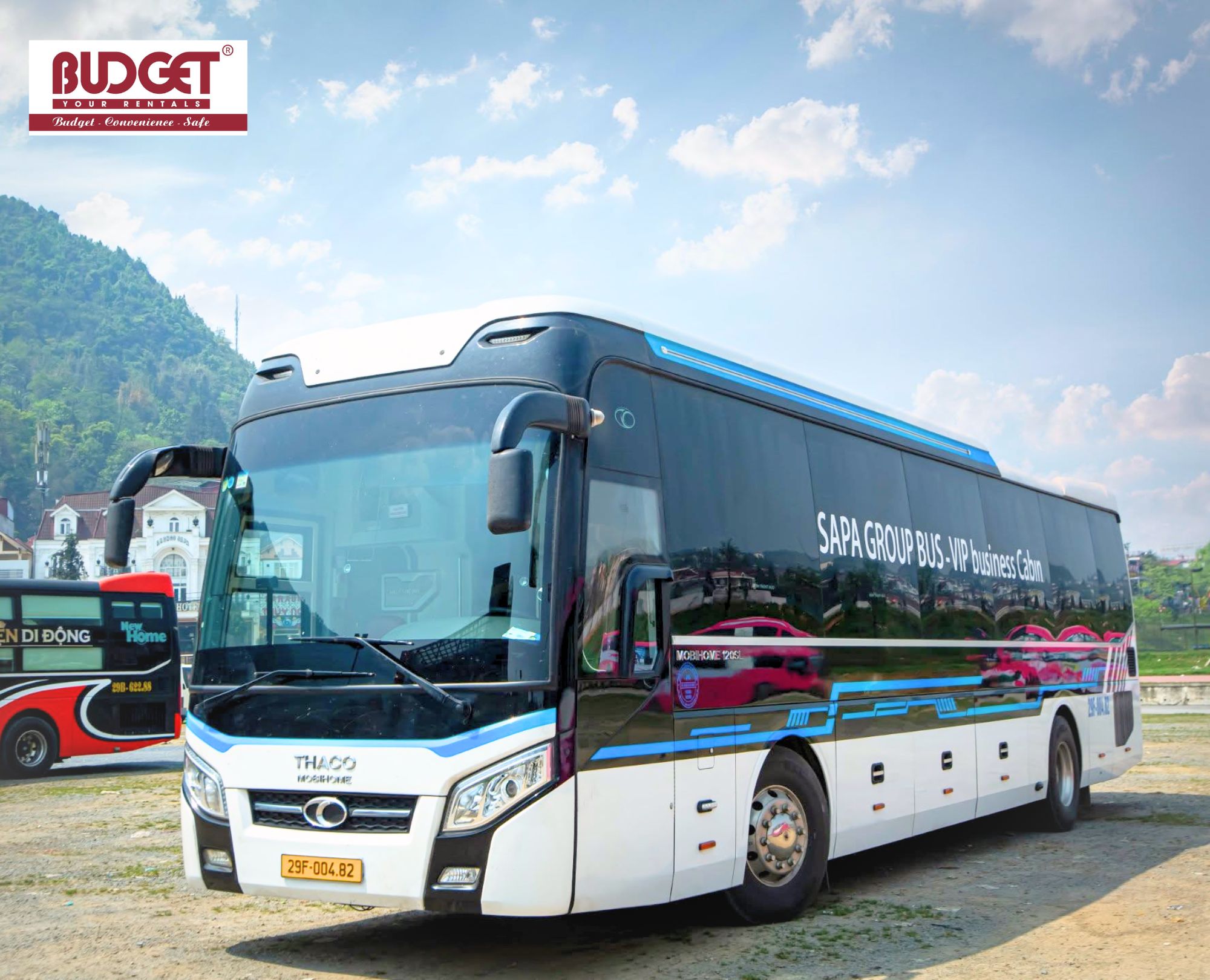
Comfortable long distance tourist sleeper coach bus in Vietnam
Limousine vans carry 9 to 11 passengers in wider leather seats and usually collect you from your hotel in the Old Quarter.
They are a little faster and quieter than the big buses. Night buses tend to arrive between 04:00 and 05:00, and not every hotel allows check-in that early, so a daytime departure is usually the better plan.
4.3 By private car
A private car with a driver gives you the most control over the day. You leave when you want, stop for lunch or photos, and arrive at your hotel door rather than a bus office.
For families with children or groups of four to seven people, the price per person is often close to a limousine van ticket.
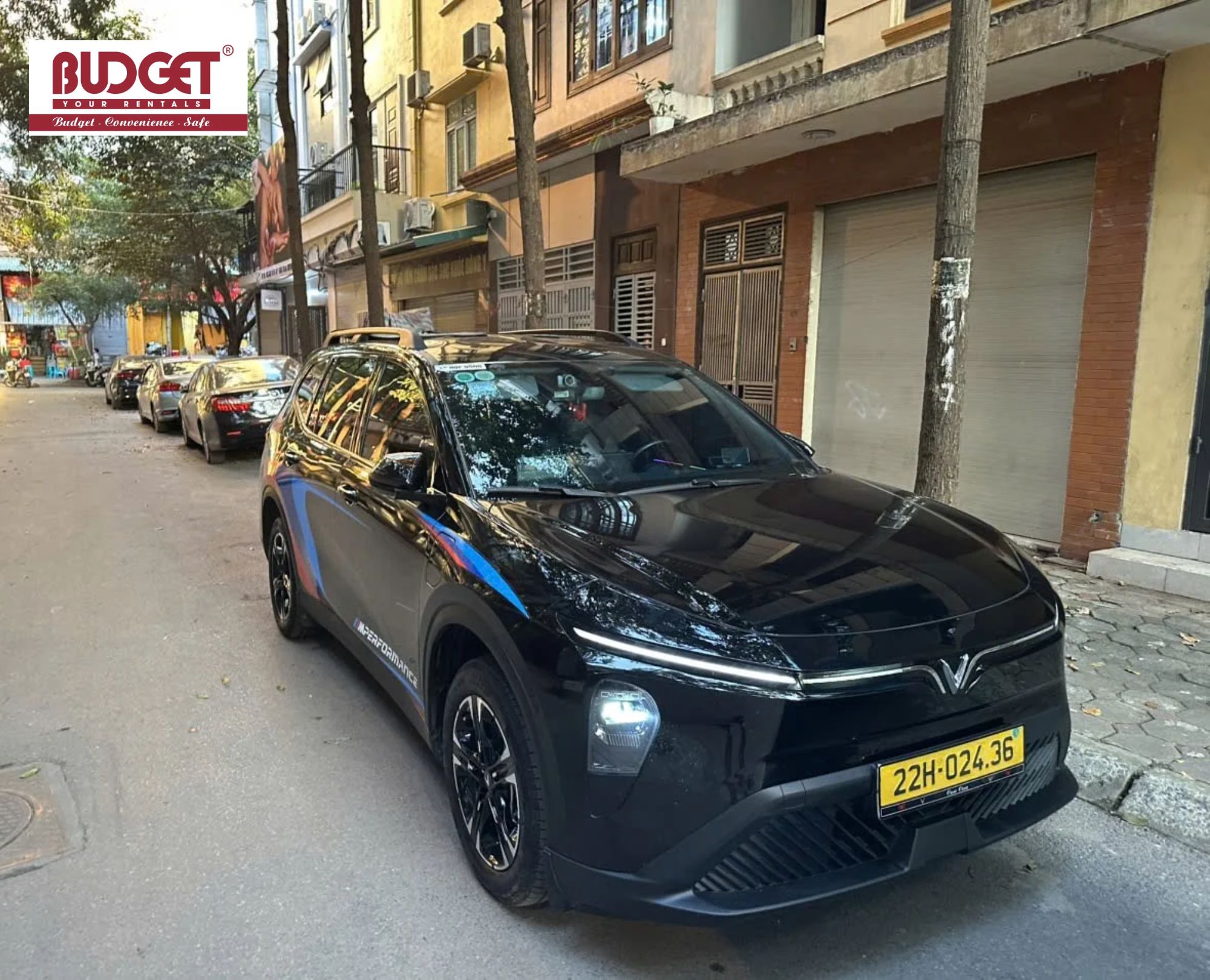
Booking a private car ensures a convenient and private travel experience to Sapa
The car also makes side trips simple. Bac Ha, home to one of the most colorful ethnic markets in the north, is about 2.5 hours from Sapa and is busiest on Sunday mornings. Many travelers stop there on the way back down to the city.
4.4 By motorbike
The ride is long, around 320 kilometers, and the final climb into town has tight bends, trucks and frequent fog.
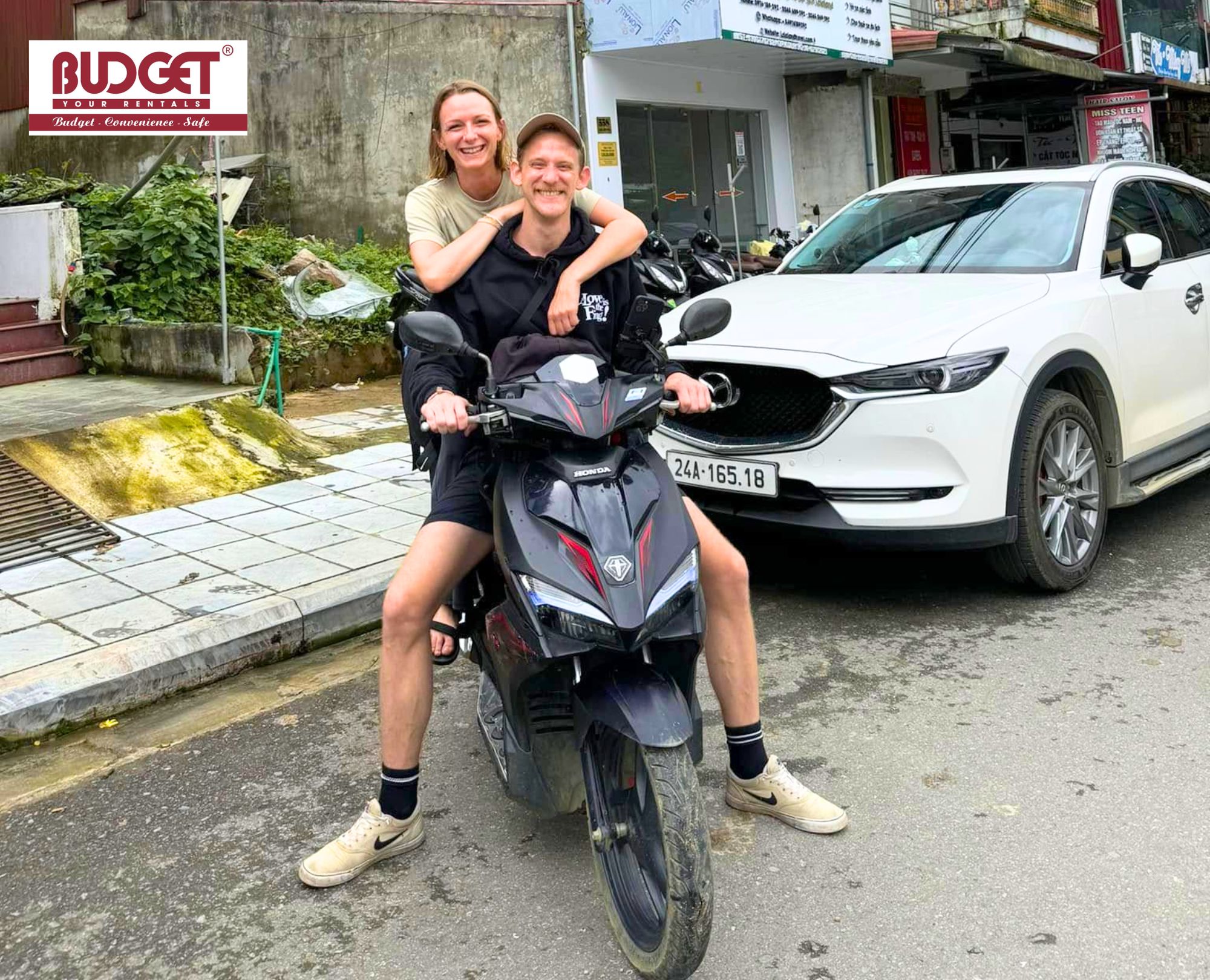
Adventurous couple on a scooter enjoying their independent travel freedom
Only riders with real mountain experience and a license valid in Vietnam should try it. Most visitors rent a bike in town instead and keep it for day trips around the valley.
4.5 Getting around once you arrive
The town center is small enough to walk, though the hills are steep. Taxis wait near the lake and the church and hotels can call one for you.
Motorbike taxis are the cheapest way to reach the trailheads, and scooter rental costs 150,000 to 250,000 VND a day. Roads into the valley are paved, but rain can make the side tracks muddy and slippery.
5. Classic things to do in Sapa
Most of the main highlights sit within a short drive of the lake, so the first afternoon is a good time to sightsee in town before you head into the valley.
None of the places below need a guide, although a driver helps for the waterfalls and the mountain pass.
5.1 The lake, the stone church and the market
Sapa lake sits in the middle of Sapa town, and a slow loop on the footpath around it takes about 20 minutes.
Uphill from the lake stands the Holy Rosary Church, a stone building the French finished in 1895 that still holds mass on Sunday mornings.
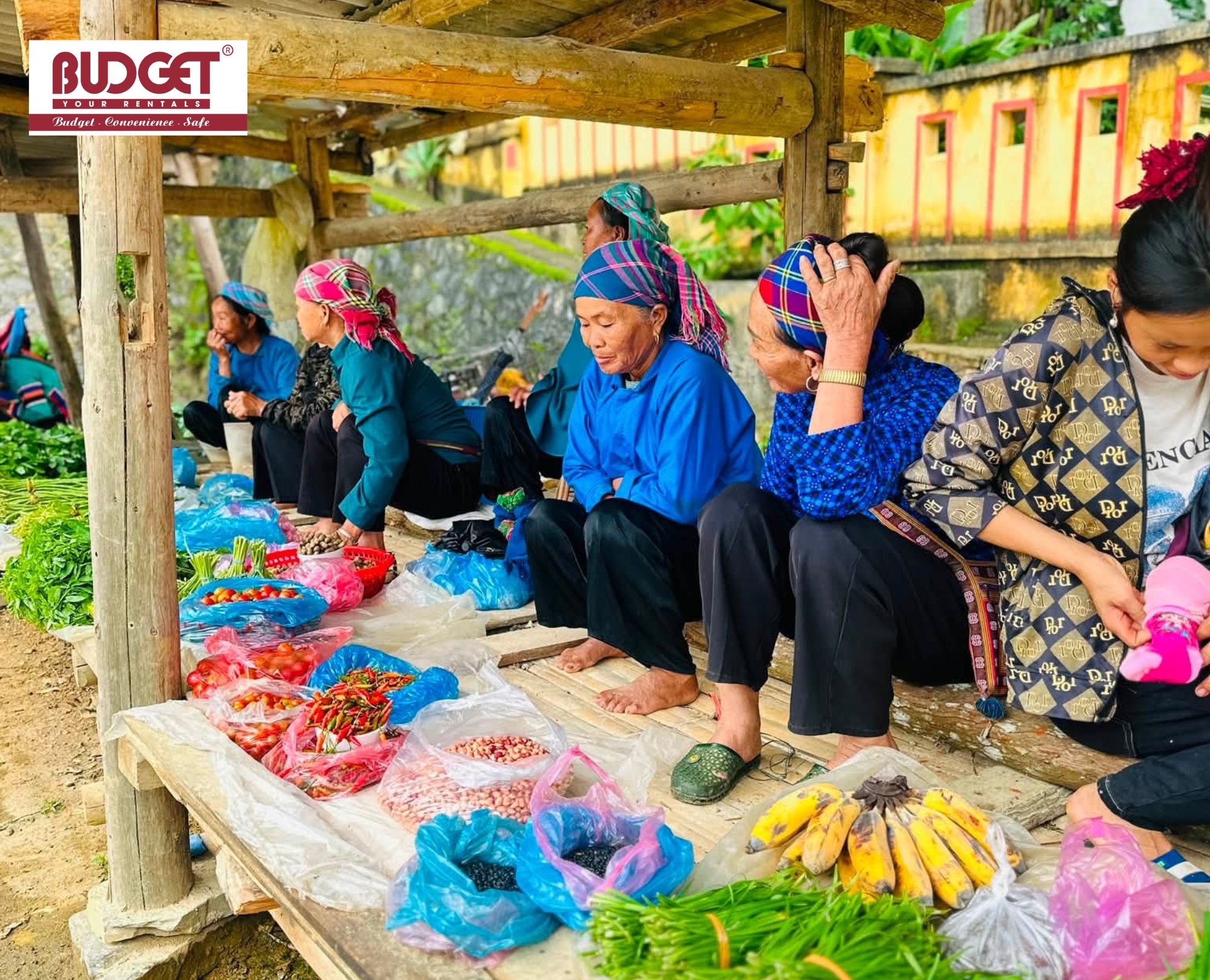
Local ethnic women who sit at a wooden stall displaying fresh produce at a traditional market
The square below it fills up in the evening with local families, street sellers and Hmong women offering embroidered bags.
Sapa market has two floors of warm clothing, dried mountain herbs, buffalo jerky and corn liquor. Bargaining is normal, and starting at around half the first price is fair.
After dark, food stalls around the square grill pork skewers, corn, sweet potatoes and eggs over charcoal.
5.2 Ham Rong Mountain
Ham Rong is the hill directly behind the center, and its top sits roughly 200 meters above the town.
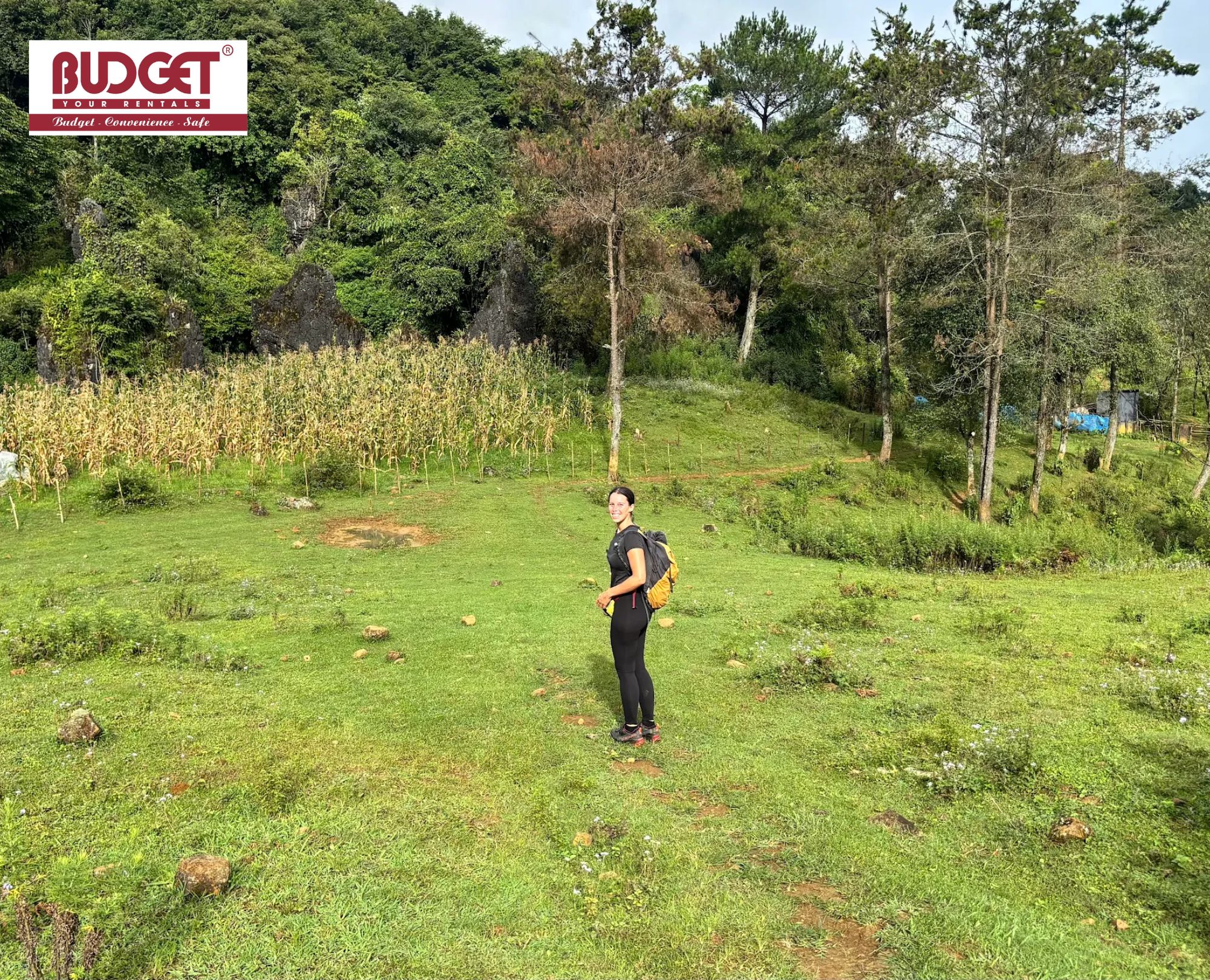
Solo traveler with a backpack in the green fields of Ham Rong mountain
A paved path with steps runs through flower gardens and rock formations to the Cloud Yard viewpoint, where you get stunning views over the rooftops and, on a clear day, as far as Fansipan.
The entrance fee is around 70,000 VND, and the walk up and back takes 1.5 to 2 hours.
5.3 Heaven Gate and Love Waterfall
O Quy Ho pass begins about 15 minutes northwest of town and climbs to roughly 2,000 meters at Heaven Gate, the highest point on the road.
It is the most scenic spot near Sapa at sunset. The landscape on the far side of the pass is drier and more open, and on clear evenings you can follow the road with your eyes as it winds down toward Lai Chau.
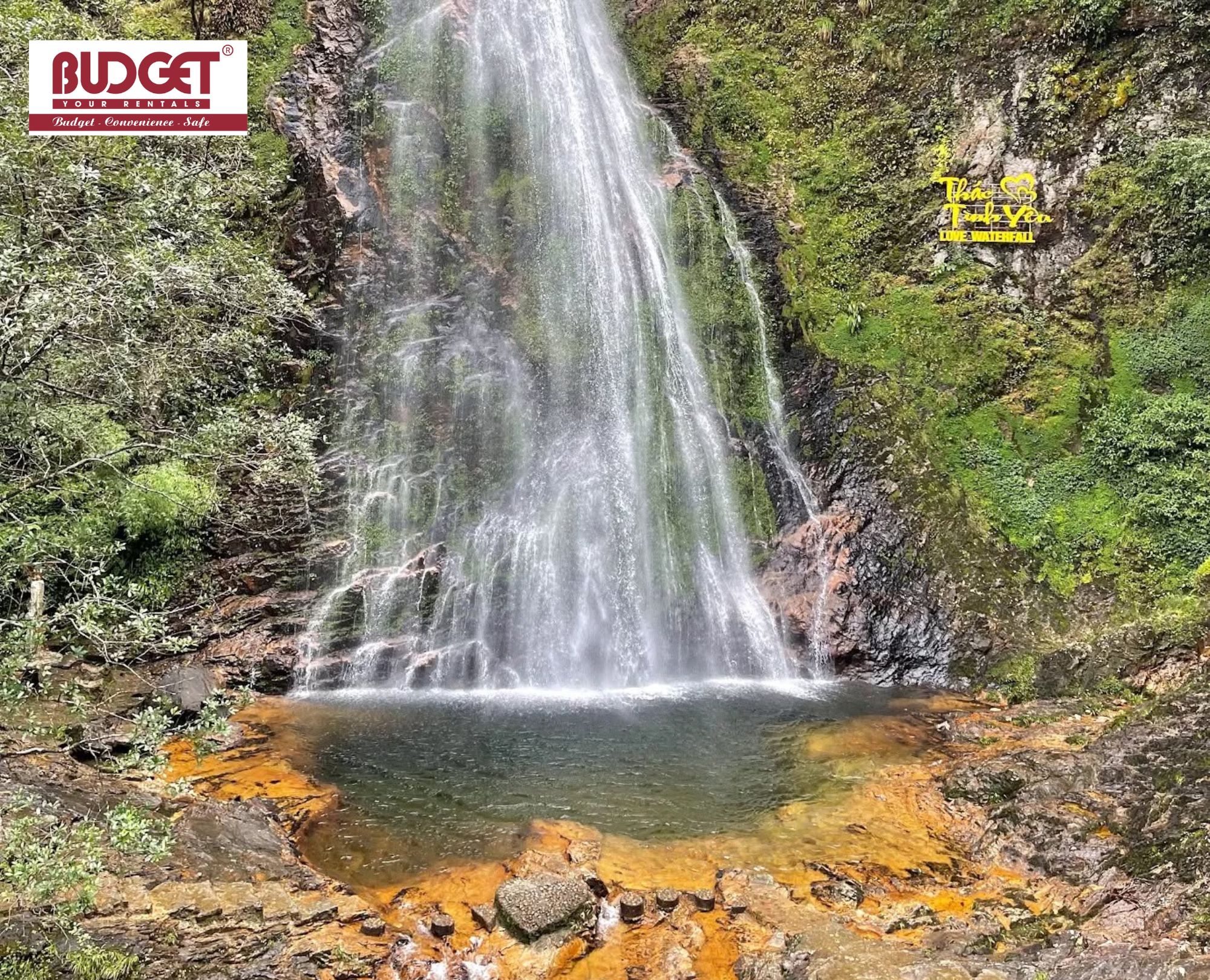
Stunning natural waterfall that cascades down high rocky cliffs into a clear pool
Love Waterfall is a few minutes further along, followed by a 1.5-kilometer forest walk to a pool at the base of the falls.
On the same road, Silver Waterfall can be seen from the roadside and needs only 15 minutes. If there is time for only one, Love Waterfall offers the better walk and a quieter setting.
5.4 Cafes on the valley edge and herbal baths
One of the best things to do on a misty afternoon is to sit in a cafe built out over the valley and wait for the clouds to shift.
Several line the road south of the church on the way toward the valley. Drinks cost a little more than in town, but the view is the reason to go.
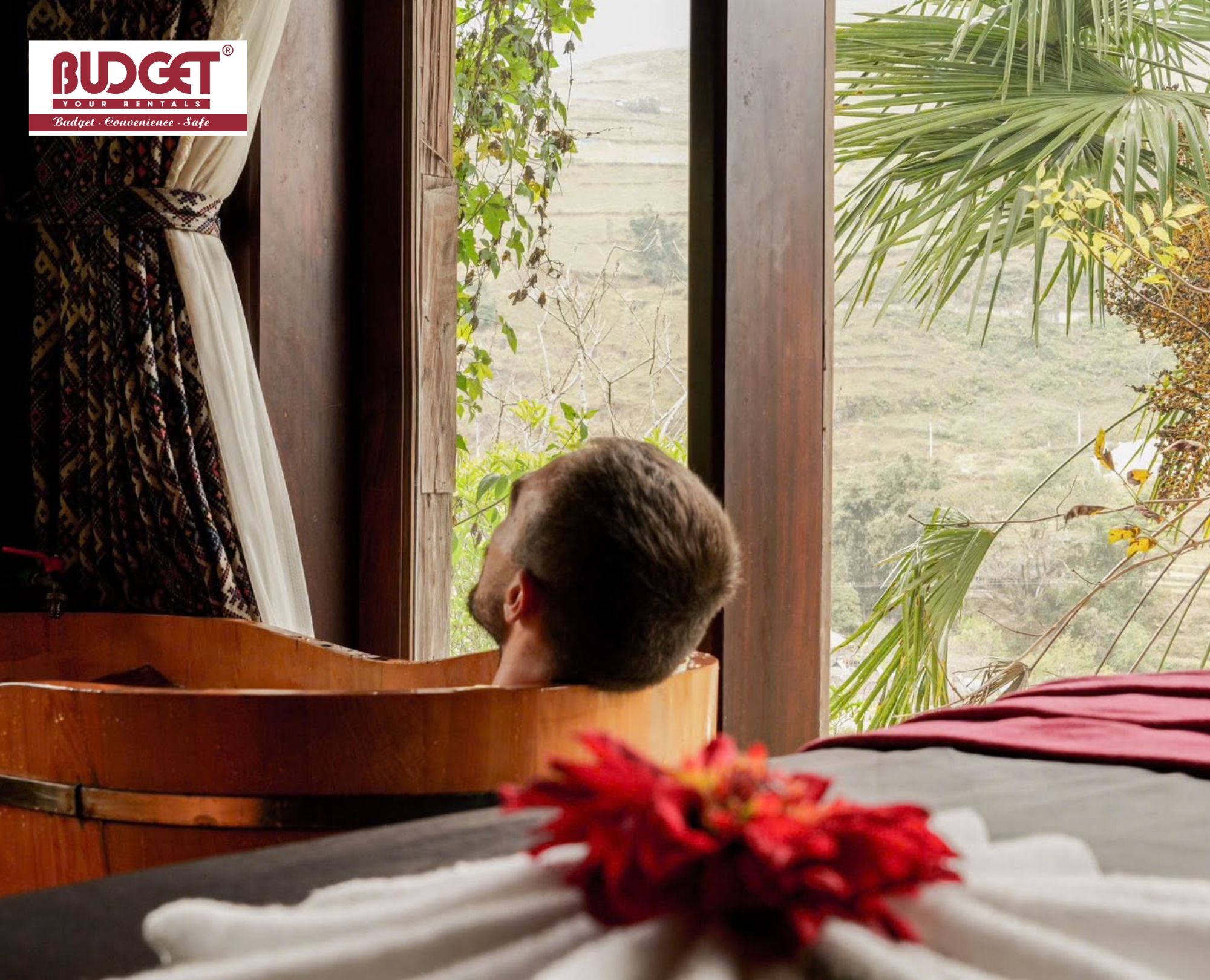
Man who relaxes in a traditional wooden tub enjoys mountain scenery during a herbal bath
Red Dao families in Ta Phin, about 30 minutes by road from the center, prepare herbal baths from dozens of leaves and roots gathered in the forest.
A soak in a wooden tub usually costs 150,000 to 250,000 VND and feels very good after a long walk.
Travelers who enjoy cold weather tend to like it most in December and January, when evenings drop close to freezing.
6. Trekking routes from Sapa
The valleys are best seen on foot, and you can trek for half a day or for several days with nights in local houses.
The table lists the routes most operators in town use, with rough distances and times for an average walker.
6.1 The classic Muong Hoa valley walk
The best-known trek starts on the road above Lao Chai and drops through terraced rice fields to the Muong Hoa River.
From there, the trail follows the valley past bamboo groves and small wooden bridges to Ta Van, passing the ancient carved rock field on the way.
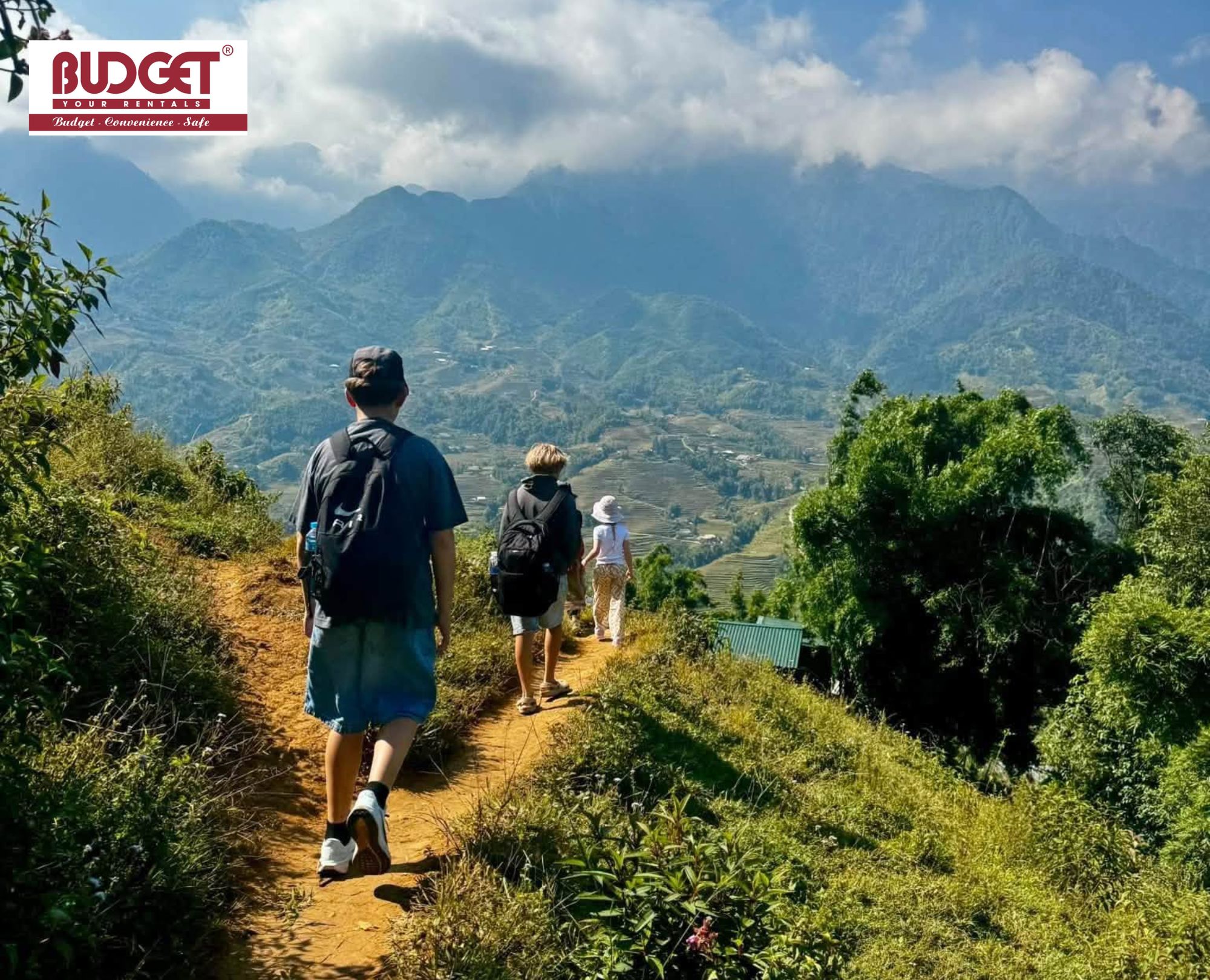
Walking through the classic Muong Hoa valley provides spectacular views of green mountains and clouds
These boulders are covered in old engravings and are protected as part of the area's cultural heritage. Most groups stop for lunch in a Giay village and take a car back to town in the afternoon.
The path is a mix of concrete, dirt and rock. In the dry months, running shoes are fine, but after rain the clay turns slick, and hiking boots with a good grip make a real difference.
6.2 Y Linh Ho and the quieter side valleys
For a longer and less crowded day, start higher up at Y Linh Ho, a Black Hmong village on the hillside west of the river.
The descent gives wide views over the whole valley and joins the classic route lower down.
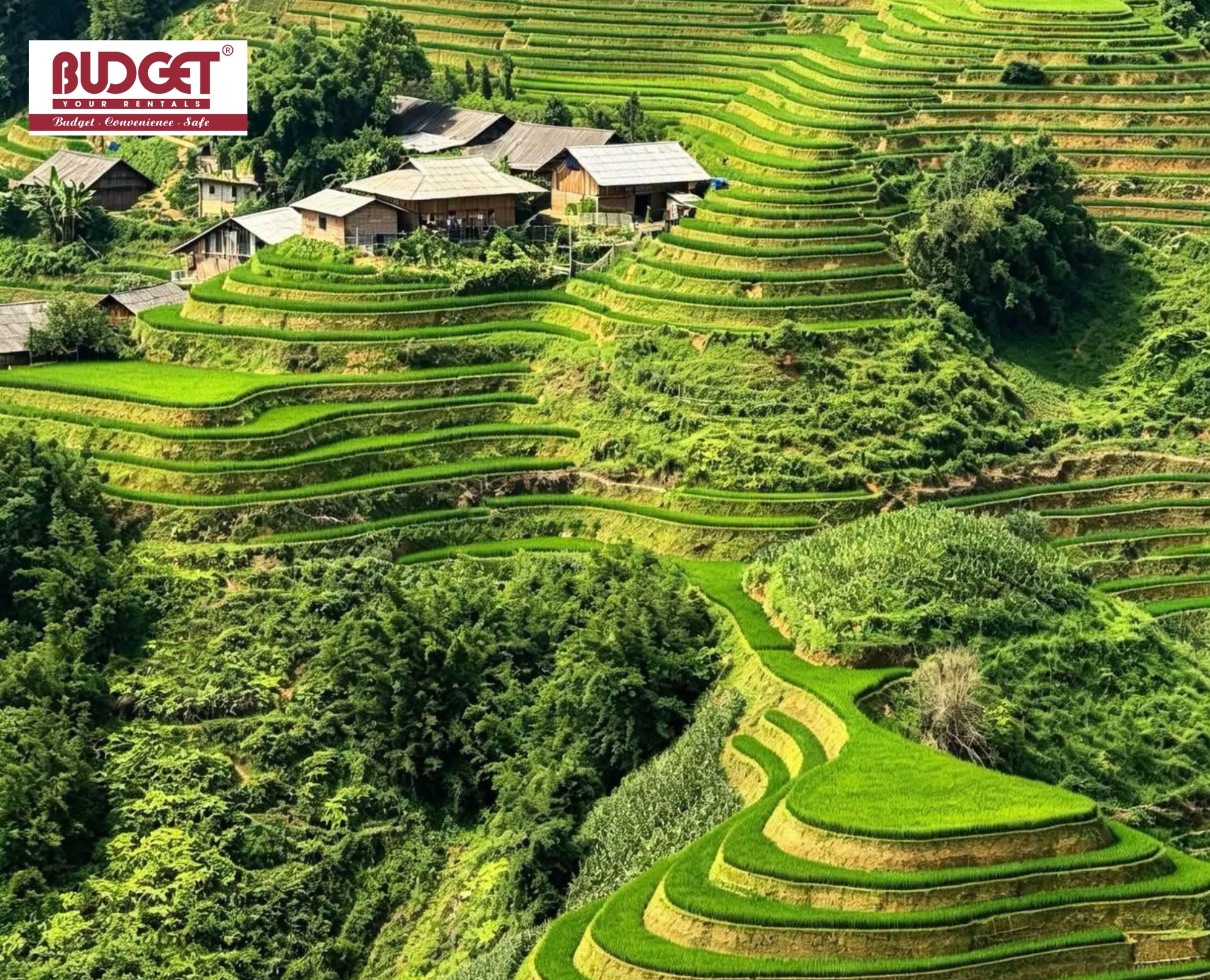
Exploring Y Linh Ho and the quieter side valleys reveals untouched countryside beauty
Another good choice is the trek from Ma Tra to Ta Phin, which passes small villages of Black Hmong and Red Dao families and ends near a limestone cave. Both suit anyone with average fitness.
6.3 Multi-day treks
A two-day trek lets you go deeper into the valley, sleep in a family home and continue to Ban Ho on the second day.
Longer routes sometimes cross into Ngu Chi Son, a mountain commune northeast of town that sees very few foreign visitors.
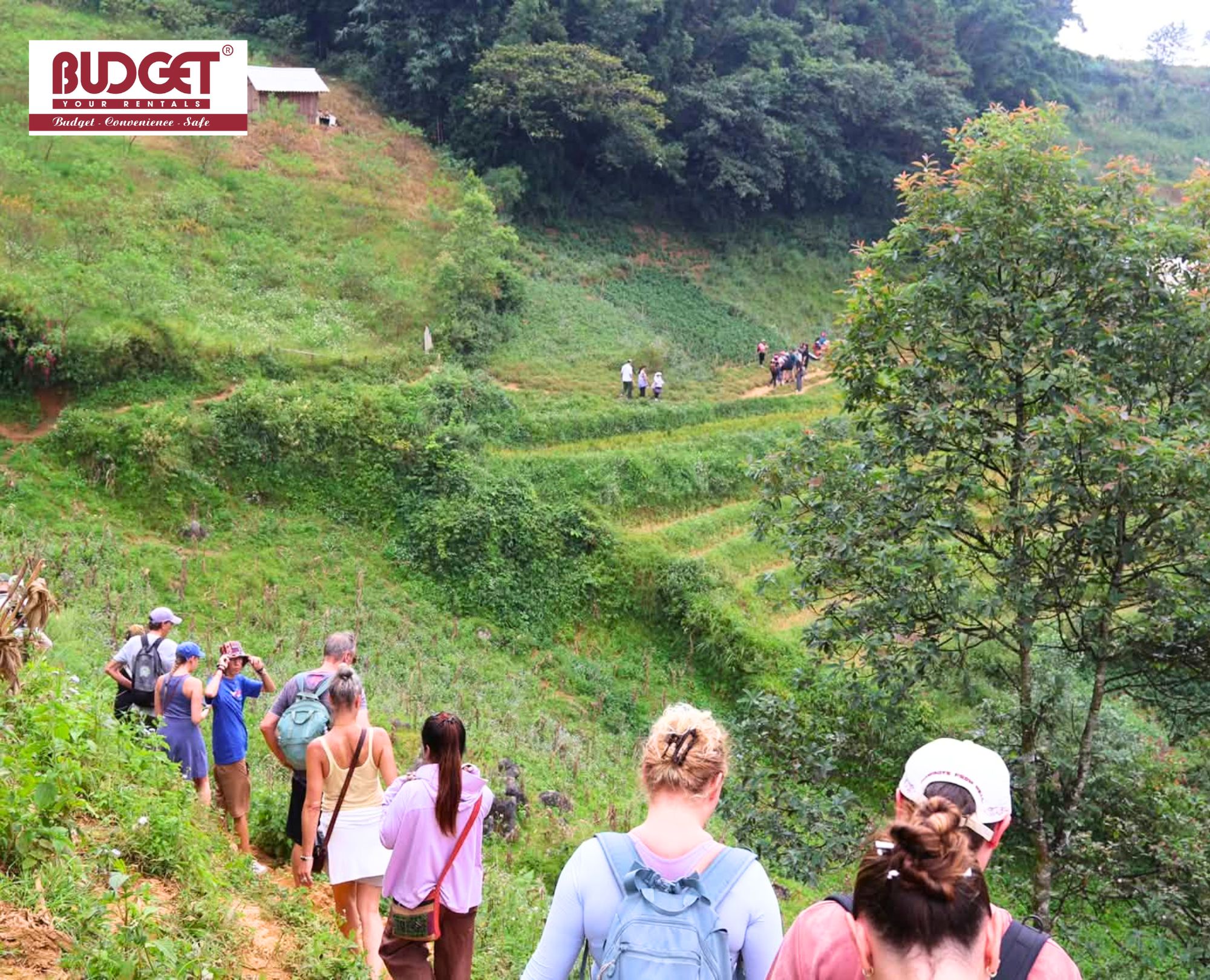
Group of hikers who walk along a narrow mountain path during multi day treks
For the natural beauty alone, the extra days are worth it, and many guests call the overnight stay the most unforgettable part of their trip.
A guide is strongly recommended for any route that leaves the main valley, because tracks split often and signs are rare.
7. Cultural experiences in the villages
A village visit is about more than the views. Ethnic minority families keep their own customs, dress and farming calendar, and several hands-on activities let you see this up close without a hard walk.
Batik and indigo dyeing are the best known. Hmong women grow hemp, weave it into cloth, draw patterns in hot beeswax and dip the fabric in indigo many times until it turns deep blue.
Workshops in the valley and in town last 2 to 3 hours and cost roughly 400,000 to 600,000 VND, and you keep the piece you make.
Cooking classes with a family in a Hmong village usually cover smoked buffalo, five-color sticky rice and stir-fried mountain greens, and often begin with a trip to the market.

Red Dao woman who wears a bright red headdress smiles warmly during cultural experiences in the villages
In Ta Phin, Red Dao women also teach basic embroidery, the same cross-stitch they use on their red headscarves.
Weekly markets are the busiest days in the highlands. Bac Ha on Sunday is the largest, Can Cau on Saturday is smaller and more local, and Coc Ly on Tuesday sits beside a river. Each is 2 to 3.5 hours from town by car, so they work best as day trips with a driver.
A few habits help these visits go well. It is polite to ask before photographing people, especially older women and children.
A purchase made straight from the women who made an item puts money in the right hands, while handing out sweets to children encourages them to skip school and sell.
Most guides speak English and Vietnamese, and many grew up speaking Hmong or Dao at home, so they can translate and explain customs as you go.
8. How to get to Fansipan from Sapa
Fansipan rises out of the Hoang Lien Son mountain range, and you can reach the top by cable car in half a day or on foot in two. Most visitors ride, and the full trip usually takes 3 to 4 hours in three stages.
The first stage is the Muong Hoa mountain train from Sun Plaza in the town center to the lower cable car station, a ride of about 10 minutes. A round trip costs 200,000 VND, and a taxi is an easy alternative when the queue is long.
The second stage is the Fansipan cable car itself, a 6,292-meter line that set two Guinness World Records when it opened in 2016.
The ride crosses the valley in about 15 to 20 minutes. In 2026, a round-trip ticket costs 800,000 VND for adults on weekdays and Sundays and 850,000 VND on Saturdays and public holidays.
Children between 1 and 1.4 meters tall pay 550,000 VND, and those under 1 meter ride free.
At the top station, a funicular covers the last section for 170,000 VND up and 150,000 VND down. The alternative is around 600 stone steps past pagodas and statues, which feels harder than it looks at this altitude.
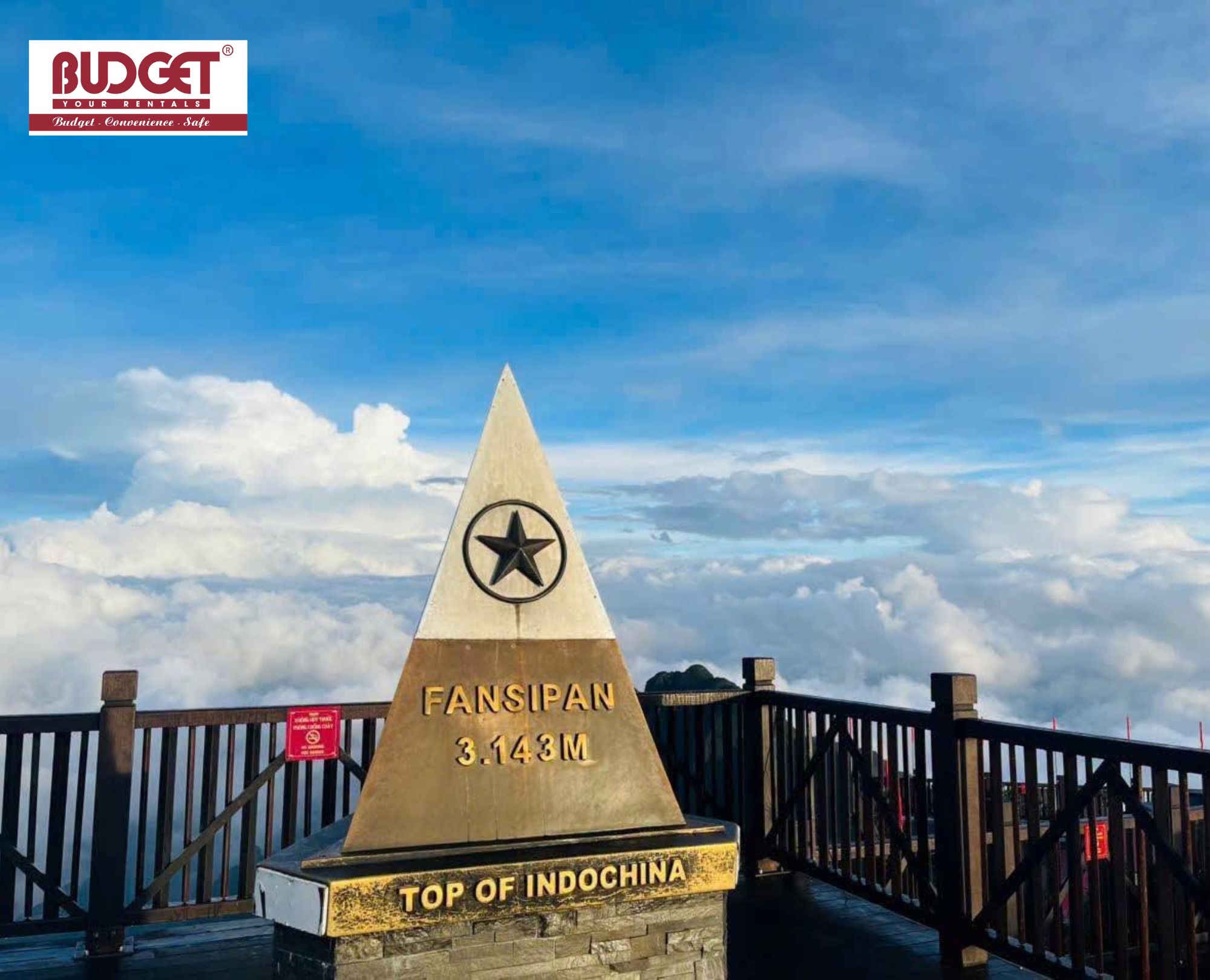
At the top of Indochina a metal pyramid marks the summit of Fansipan mountain
If you buy each ticket separately, the full weekday round trip comes to about 1,320,000 VND per adult, so combo tickets sold online are worth comparing.
Clouds decide how good the visit is. Mornings before 10:00 usually have the clearest skies, and the summit is often 8 to 10°C colder than the town.
When the forecast shows thick cloud all day, moving the ride to the next morning is the better call.
The other option is to go up on foot. The main route starts at Tram Ton pass, about 15 kilometers from town, and takes 2 days with a night at a basic mountain camp, or one long day of 10 to 12 hours for very fit hikers.
A licensed guide is required inside the national park, and organized groups usually charge from 2,000,000 VND per person, including permits, meals and porters.
The trek to the top of Fansipan is steep and often wet, so good boots and a rain jacket are essential.
9. Places you can skip or visit differently
Not every famous stop deserves a slot in a short trip. Cat Cat village, about 2 kilometers below the center, is the most visited site in the area, but it now works as a paid park with costume rental, photo platforms and souvenir stalls, and entry costs around 150,000 VND.
To see how Hmong families really live, a short trek around Y Linh Ho or the valley floor is a better use of half a day.
The park is still fine for an hour with children, who usually enjoy the water wheels and the stream.
Photo cafes with swings, giant nests and wooden platforms charge an entry fee for staged props, while the valley right next to them costs nothing to look at.
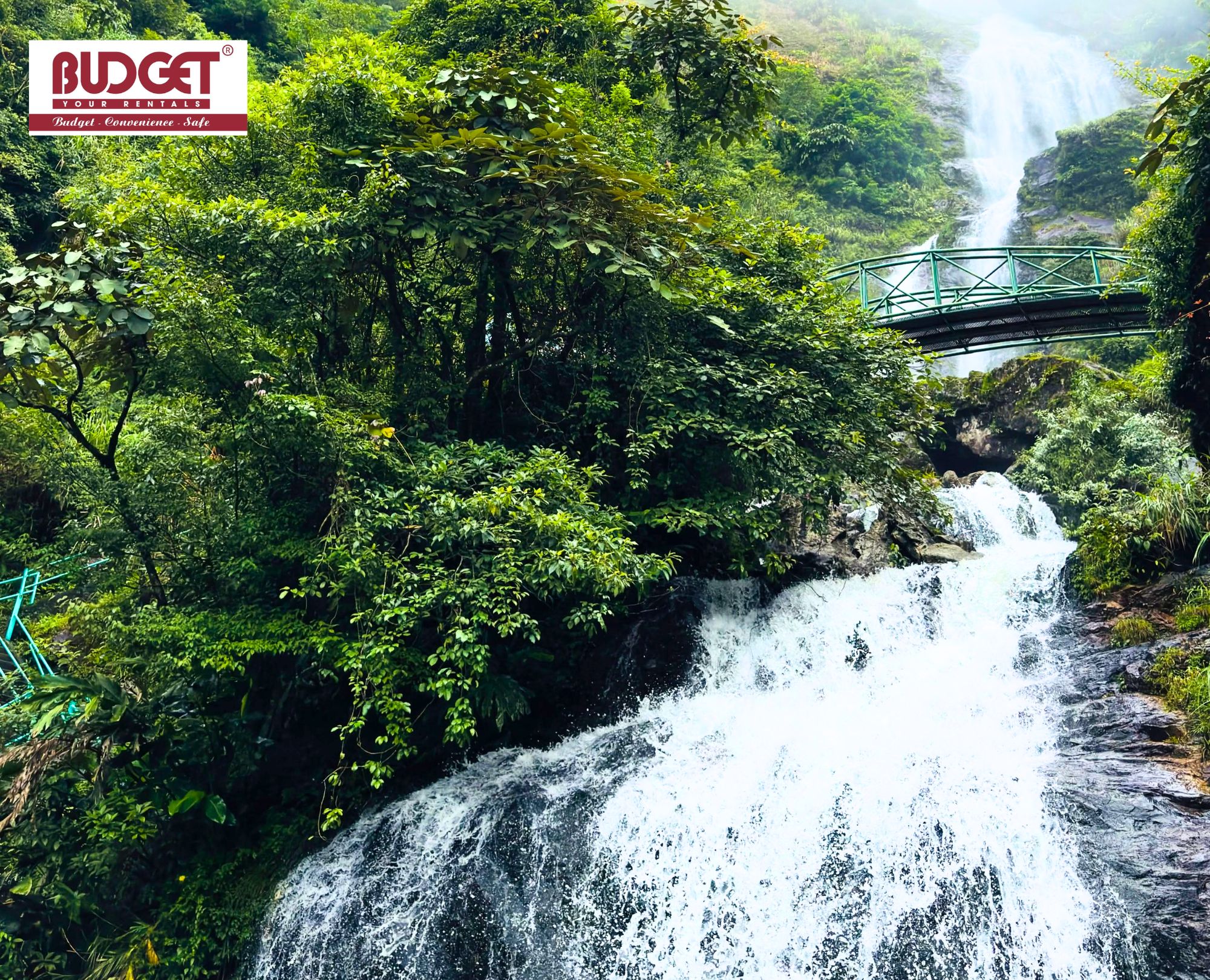
Majestic Silver Waterfall that cascades down lush green mountains under a arched footbridge
Silver Waterfall is pleasant from the road but gets crowded, so it makes more sense as a quick stop on the way to Love Waterfall than as a separate outing.
Timing matters too. Vietnamese public holidays such as Lunar New Year, 30 April to 1 May and 2 September bring heavy traffic and room rates that can double. A trip planned around those dates is much calmer.
10. Food and restaurants in Sapa
Mountain food here is heartier and smokier than in the lowlands. Salmon and sturgeon hotpot is the dish many Vietnamese visitors come for, since cold streams near Sapa feed local fish farms, and a pot for two usually costs 350,000 to 500,000 VND.
Smoked buffalo, grilled free-range pork, bamboo-tube rice and five-color sticky rice appear on most menus.
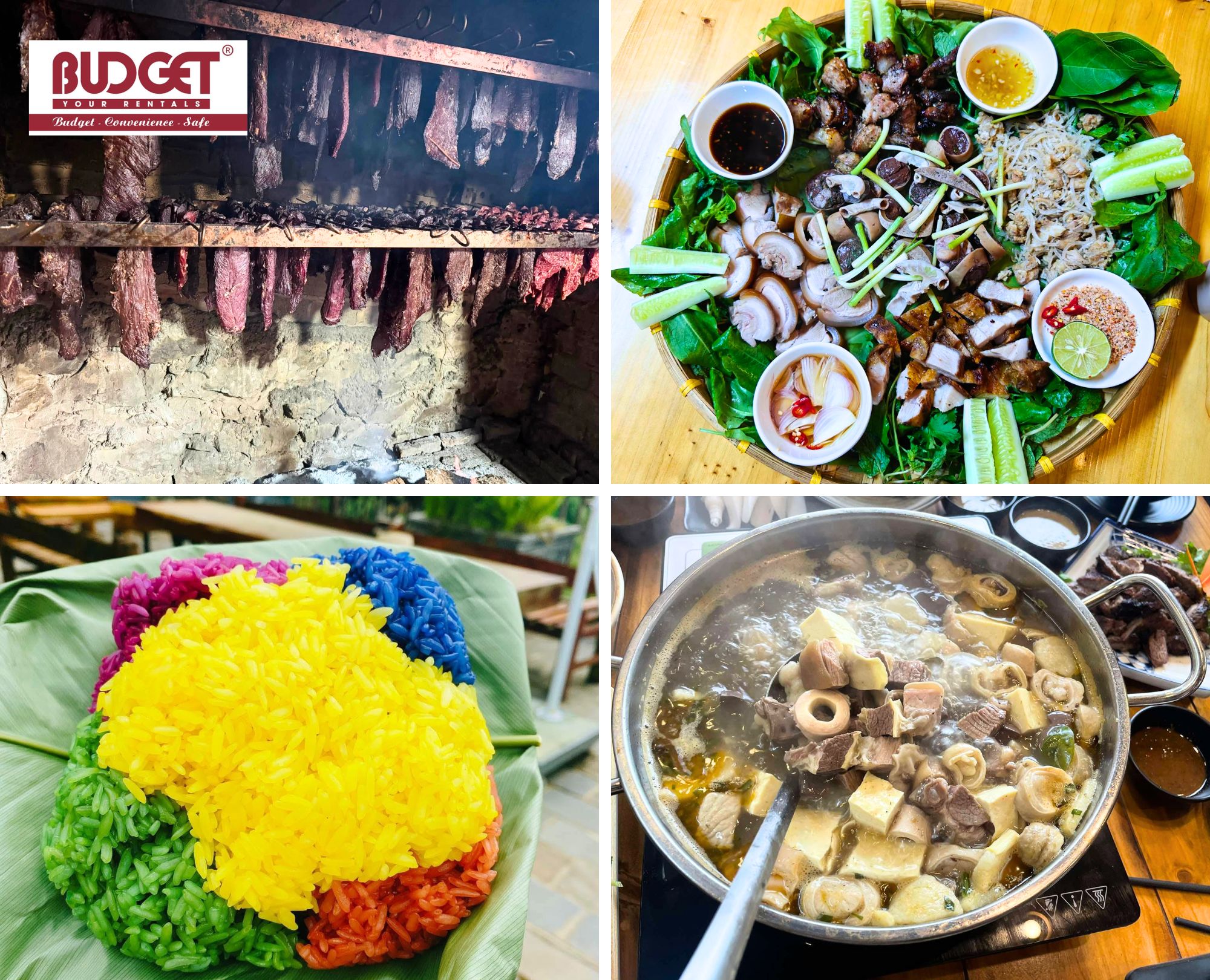
Exploring authentic local foods in Sapa introduces travelers to vibrant traditional flavors
Thang co is the dish most tied to Hmong market days. It is a thick stew of horse meat and offal cooked with local spices, strong in flavor and not for everyone, but worth a small bowl if you are curious. Locals wash it down with corn wine or a glass of sour wild-apple liquor.
The tourist restaurants are concentrated on Cau May street and the lanes around the church, where Western, Vietnamese and set-menu Hmong meals run from 120,000 to 300,000 VND per dish.
Hill Station Signature Restaurant is one of the better-known places for local dishes served with explanations in English.
For cheaper meals, the food stalls in Sapa market and the small rice shops on the side streets serve full plates for 40,000 to 70,000 VND, the kind of prices you rarely see on the main strip.
11. Best time to visit Sapa
The best months for most travelers run from March to May and again from late September to early December.
The weather in the mountains follows its own pattern, so it helps to plan by season rather than by the general forecast for the country.
In spring, days sit between 15 and 25°C, skies are mostly clear and farmers start flooding and planting the fields.
June to August is the rainy season. Showers usually arrive in the afternoon, the valleys turn bright green, and July and August are busy with domestic families on summer break. Heavy storms can trigger landslides that close roads for a day or two.
September brings the harvest, when the rice terraces turn yellow and gold. This is the most photographed time of year, and weekend rooms sell out early.
From October to early December, the air is dry and cool, views stretch furthest, and it is the most comfortable period to trek for several days.
January and February are the coldest months. Temperatures can fall below 0°C, frost and the odd snowfall cover the higher slopes, and fog may sit over the valley for days.
Lunar New Year usually falls in this window, so many shops close for a week. The landscape looks completely different from one season to the next, which is why plenty of people come back a second time.
12. 2 days in Sapa itinerary
This Sapa itinerary 2 days long, suits travelers who arrive on the night train from Hanoi and leave by limousine van on the afternoon of day 2.
It covers the town, Muong Hoa Valley and the summit without rushing, and the times below match the 2026 train schedule.
12.1 Day 1: Valley walk and evening in town
The train reaches the station at about 06:00, and the shuttle drops you in town by 07:15. Most hotels hold bags before check-in, so breakfast at a noodle shop near the market is the first stop.
Around 08:30, your guide meets you for the valley trek, which starts above the first Hmong village and follows the river for 10 to 12 kilometers.
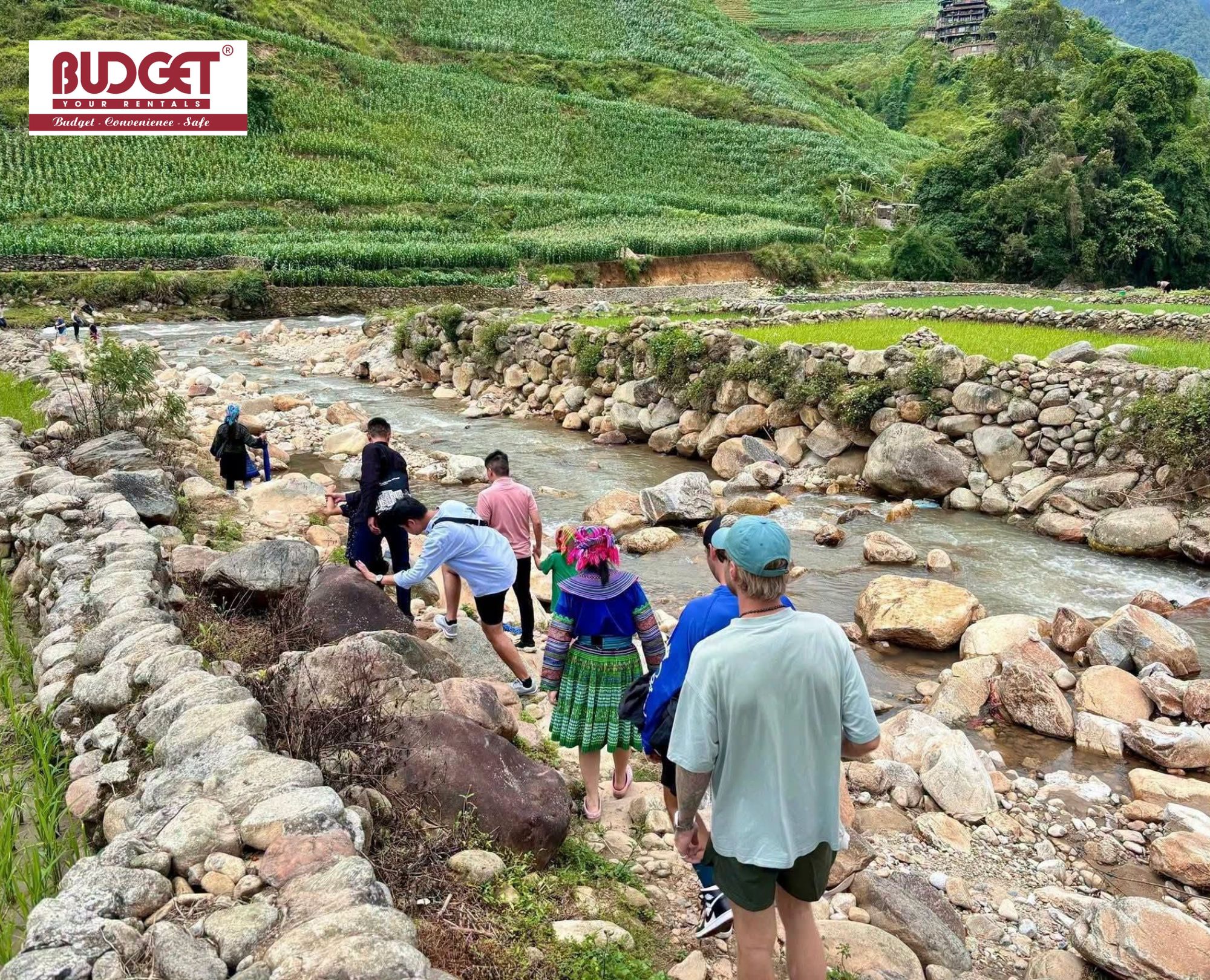
Trekking group beside a shallow riverbed in the valley trek which starts above the first Hmong village
Lunch is usually in a Giay family kitchen at about 12:30, and a car brings the group back by 15:00.
The rest of the afternoon is for recovery. A hot shower, a short nap and a coffee on the valley edge fit easily before sunset at Ham Rong.
For dinner, the grill stalls near the church or one of the Hmong set menus on Cau May Street are both easy choices, and a herbal foot soak at a spa in town is a good way to end the evening.
12.2 Day 2: Summit by cable car and the trip back
An early start pays off on the second morning. A 07:30 start at Sun Plaza for the mountain train puts you on the Fansipan cable car before most tour groups arrive, and that first hour often has the clearest sky. The round trip, including time at the summit temples, takes 3 to 4 hours.

Happy family with a young child who sits inside the Fansipan cable car cabin high above green valleys
Back in town by about midday, there is time for lunch, a walk through the market and a last look at the mountain views from your hotel.
Limousine vans to the capital usually leave between 14:00 and 16:00 and arrive around 20:00 to 21:30.
Train fans can take SP4 instead, which leaves the station at 21:30 and reaches the city at 05:35 the next morning.
With three days in Sapa, the extra day works well for a full-day trek from Y Linh Ho or Ma Tra, or for the Sunday market at Bac Ha.
13. Hiring a Sapa local guide
A Sapa local guide is not required for the main valley walk, but a good one changes the experience.
Most guides are Hmong or Red Dao women who grew up in the valley. They know which paths are passable after rain, which families are happy to host visitors and how to explain customs that are easy to misread.
A day trek with a guide in a small group usually costs 400,000 to 800,000 VND per person, and private guides charge more.
A licensed Sapa tour guide is required inside the national park and is strongly advised for any multi-day trek where routes pass through small villages far from the road.
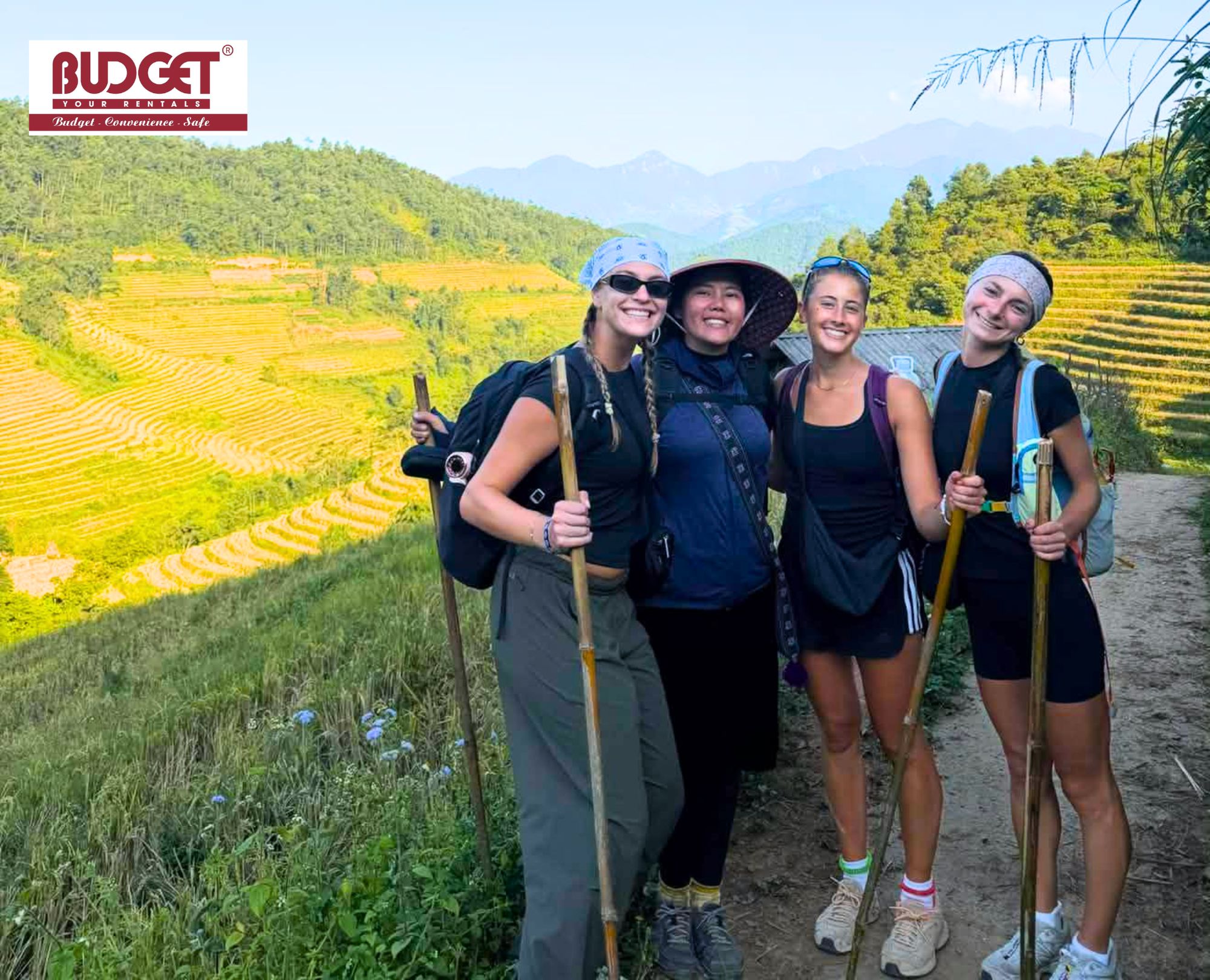
Hiring a Sapa local guide offers travelers safe mountain navigation and authentic cultural insights
Guides arranged through a hotel or travel agency come vetted, with transport and a clear price, while offers made in the town square are cheaper but vary a lot in quality.
If you would like help with a private guide, train tickets or hotels, send your dates and group size through our contact form.
You will hear from a travel consultant shortly, with instant itinerary options you can adjust. On our packaged tours, everything is covered, from transfers to meals on the trail, and off-season departures often come with great travel deals.
14. Practical tips for your trip
Sapa is one of the most popular weekend getaways for families from the capital, so weekdays are quieter and cheaper.
Sapa’s weather is the main thing to plan around. Even in summer, a rain jacket and a warm layer belong in your bag, and in winter it is one of Vietnam’s coldest places, so gloves and a hat are worth bringing.
ATMs and card payments work in Sapa town, but the villages run on cash, so carry small notes for drinks, snacks and handmade goods.
Mobile data is strong in town and patchy deeper in the valley. A village entry ticket of around 75,000 VND per person is collected on the road into the classic valley route, and it goes toward local upkeep.
Good footwear matters more than anything else in your bag. Even an easy trek turns slippery after rain, and cheap sneakers lose grip on wet clay fast.
To see the best of the region in limited time, it helps to sleep one night in town and one in the valley.
As one of Vietnam's best-known walking areas, Sapa draws crowds, but the scenic side valleys a few kilometers from the main road stay quiet even in peak season.
15. Frequently asked questions
15.1. How to get to Sapa from Hanoi quickly?
A limousine van or private car on the CT05 expressway is the fastest option, taking around 5 to 6 hours for the 320 km drive. The overnight train is slower in total but saves you a hotel night.
15.2. How to go to Sapa, Vietnam on a budget?
The sleeper bus is the cheapest choice at 300,000 to 450,000 VND per seat. A dorm bed or simple guesthouse in town for 200,000 to 400,000 VND a night keeps the rest of the trip affordable.
15.3. How to go to Sapa without joining a tour?
It is easy to travel independently. All you need is a bus or train ticket, a hotel in town and a guide arranged locally for the valley walk. Signs on the main route are limited, so a guide or an offline map app is still a good idea.
15.4. How to go to Sapa from other cities in the north?
Direct sleeper buses and limousine vans also run from Ninh Binh and Ha Long, usually taking 7 to 9 hours. From central or southern Vietnam, the usual route is a flight to the capital and then a bus or train north.
15.5. Is two days enough?
Two full days cover the classic valley walk, the summit and the town. Three days add a longer walk, a market visit or a quiet night in a village guesthouse.
15.6. Can I trek without a guide?
Yes, on the classic valley trek, the paths are clear enough in dry weather. For side valleys, multi-day routes and the national park, a guide is either required or strongly recommended.
15.7. Is Sapa safe for travelers?
Sapa is safe, and serious crime against visitors is rare. The real risks are slippery trails, fast-changing weather and mountain roads after heavy rain, so plan routes with those in mind.
This Sapa travel guide is worth keeping handy when you book, since the transport table and the two-day plan make it easy to shape your own route.
With the right season, decent shoes and a local guide for the valley, this Sapa Vietnam travel guide should help you plan the trip with confidence and visit Sapa the way it is best seen, on foot.
Read More: